
A living agreement
between people,
land, and harvest.
The Covenant is not a policy document. It is the set of obligations Achai Collection holds toward the land, the growers, and the people who ultimately receive these products. It was written in Abyei. It is renewed every harvest season.
Rivers feed forests. Forests feed people.
The Kiir River does not belong to Achai Collection. It belongs to the land it has shaped over ten thousand years. The acacia woodlands of Abyei exist because of that water — and the gum arabic that forms inside those trees exists because of the woodland. This is not a supply chain. It is a living system.
When we speak of provenance, we mean the river. We mean the seasonal flood that deposits silt across the floodplain. We mean the dry season that concentrates the gum in the bark. Every product that leaves Abyei carries this hydrology inside it.
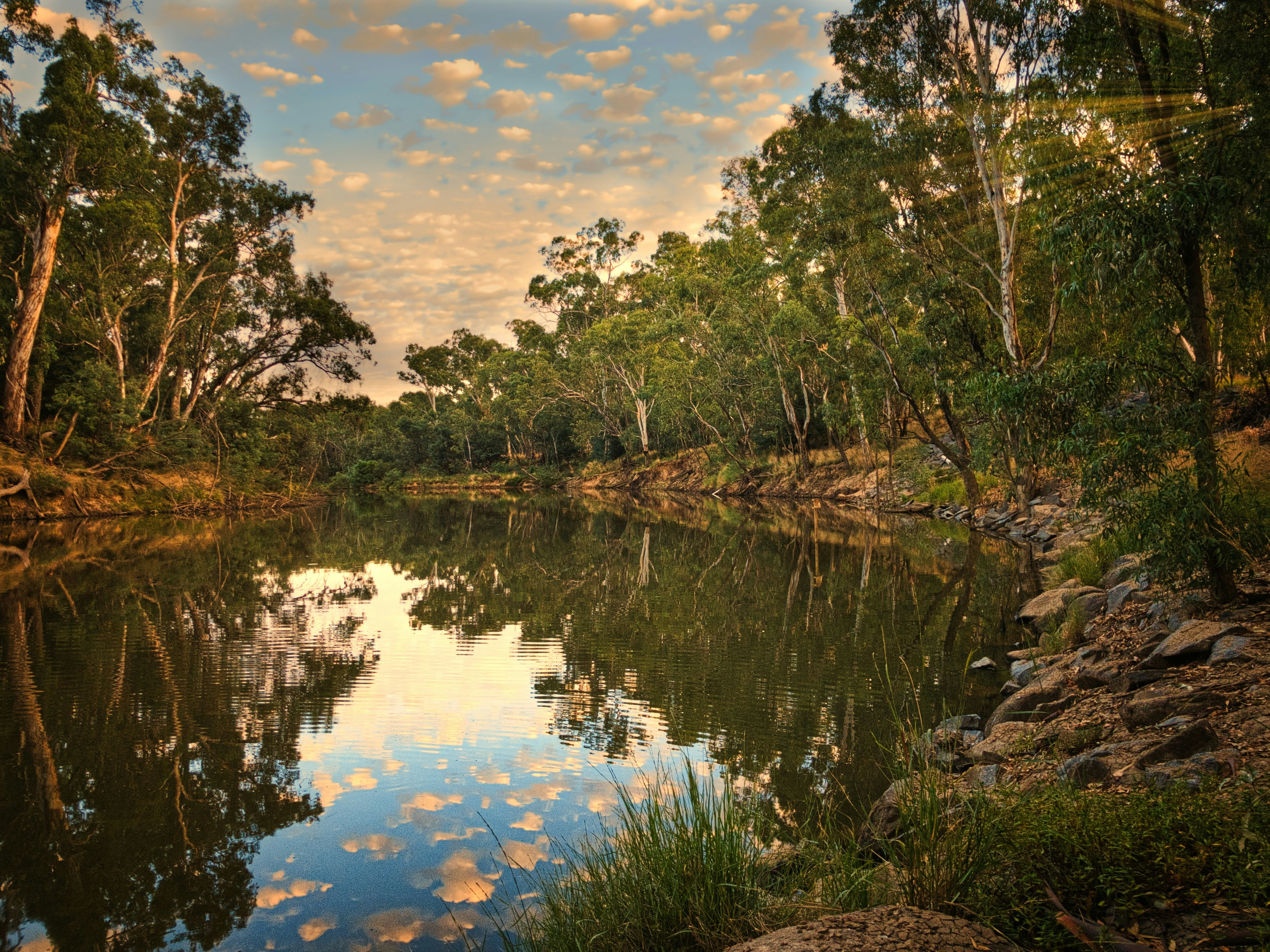
The land is held in common.
In Abyei, land is not owned by individuals. It is held collectively by the community — governed by a council of elders, women leaders, and seasonal harvesters who have worked the same trees for generations. Achai Collection does not lease this land. We are permitted to work within it, on terms set by the community.
That permission is renewed each harvest season. It can be withdrawn. This is not a legal formality. It is the actual structure of the relationship.
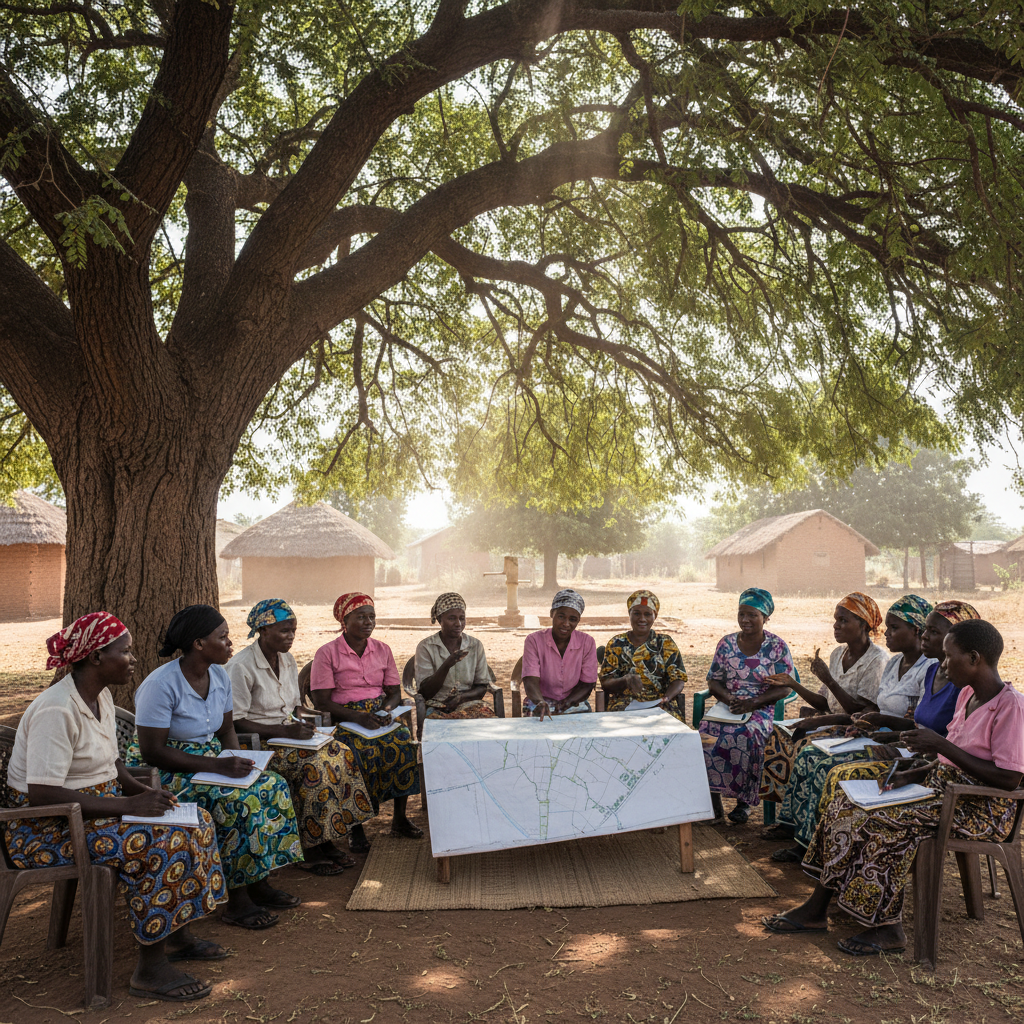
The harvest is led by women.
Gum arabic harvesting in Abyei has been women's work for as long as anyone can trace. The cooperatives that supply Achai Collection are organised, managed, and led by women — not because of a policy, but because that is how the knowledge has always moved through the community.
Cooperative leadership determines harvest timing, sets quality standards, and negotiates terms directly with Achai Collection. No intermediary. No agent. The women who harvest the gum are the same women who set the price.

We harvest less than the forest gives.
Achai Collection operates under a self-imposed harvest ceiling: no more than 40% of the sustainable yield from any given grove in a single season. This is not a certification requirement. It is a covenant obligation, reviewed annually by the community land council.
When a grove shows signs of stress — reduced yield, canopy thinning, soil compaction — that grove is rested for a full season. Production falls. We do not source from elsewhere to compensate. Scarcity is honest.
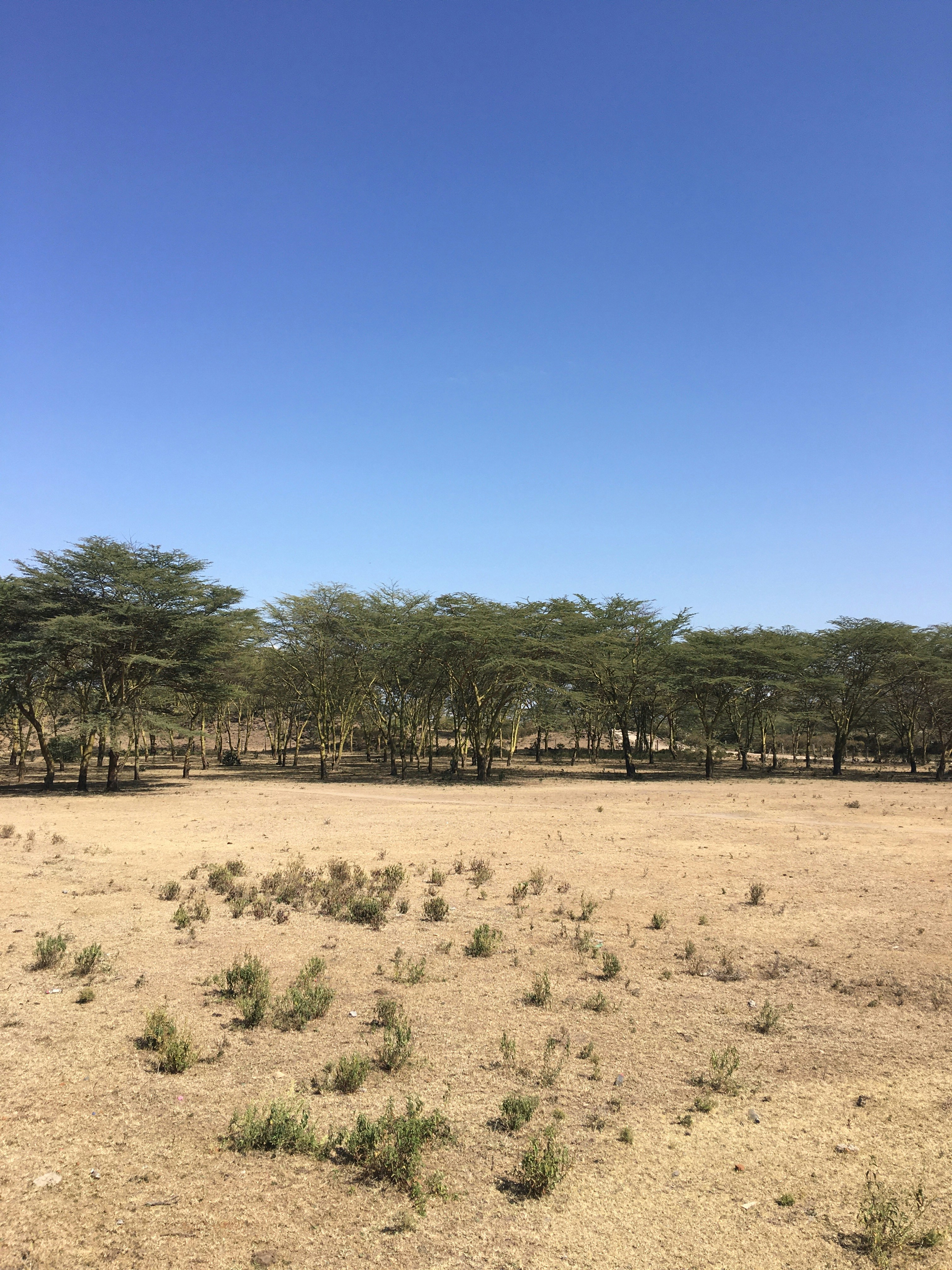
Every batch is named and dated.
From the moment gum arabic is tapped from the bark to the moment it reaches a customer, every transfer is recorded. The cooperative that harvested it. The date of collection. The grove location. The processor. The batch weight. The departure date from Abyei.
This record is not a marketing document. It is an accountability structure. Wholesale partners receive the full chain of custody with every order. Individual customers can request it. We do not summarise it. We share it in full.

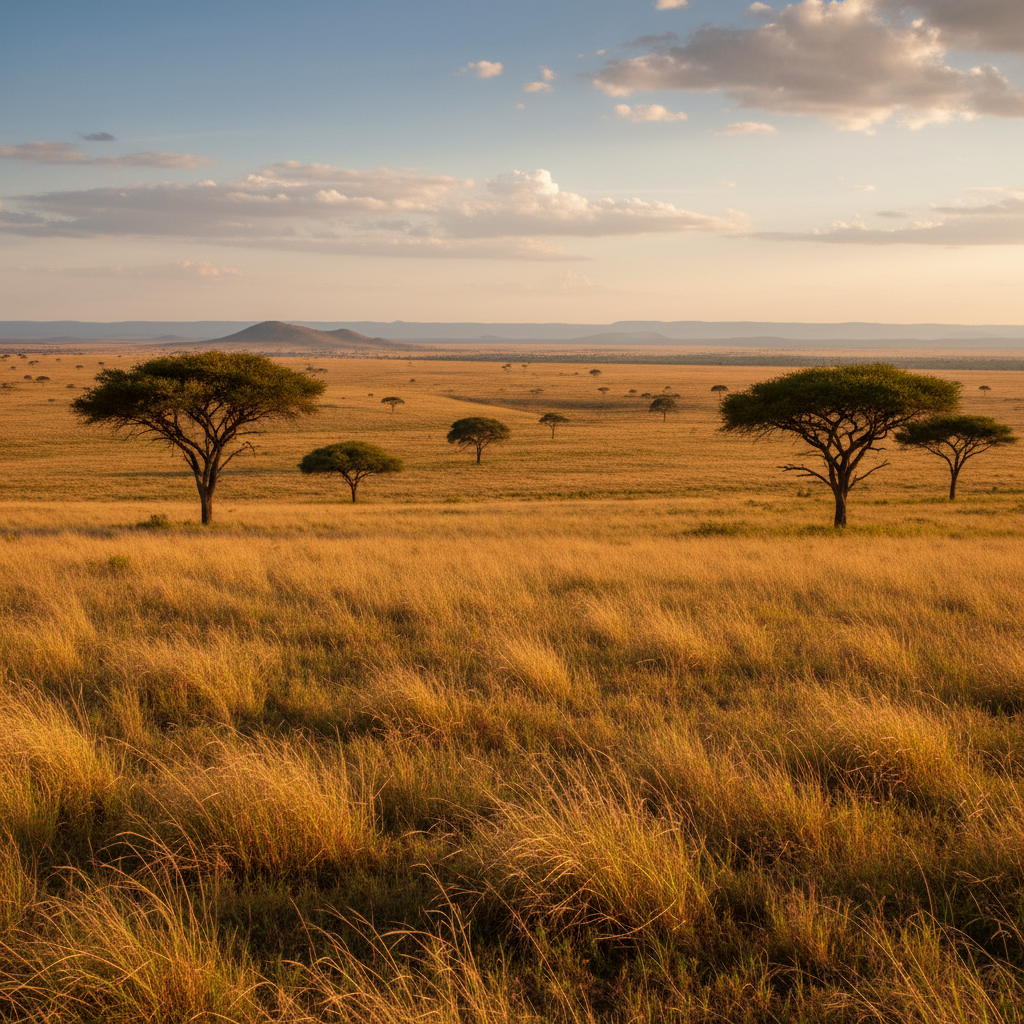
Meet Achai —
the product
The origin, the name, and the science behind what we make. A single species, a single cooperative, a single harvest.
Also in the journey